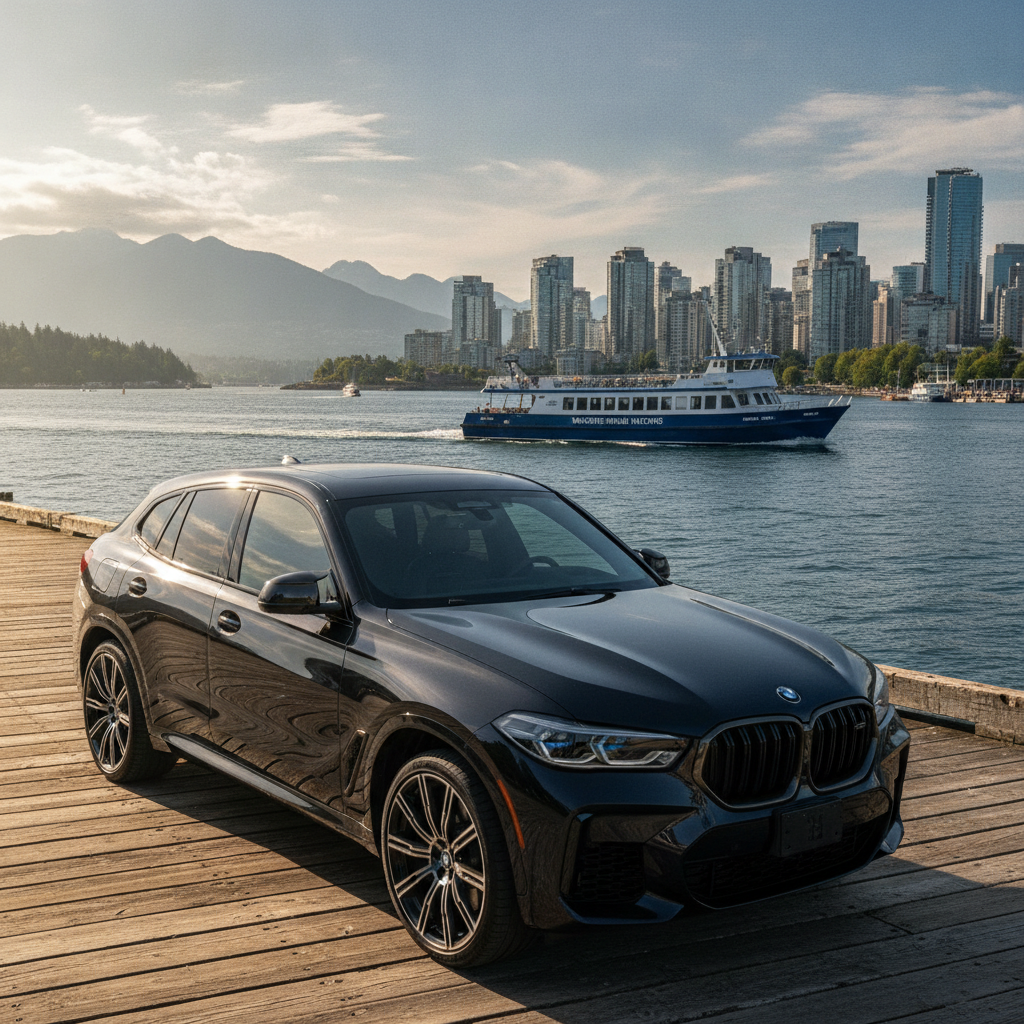
There are few wildlife experiences as genuinely thrilling as watching a thirty-ton humpback whale breach clear of the water, or seeing a pod of orcas cut through the strait with the effortless power of apex predators. Vancouver sits at the edge of one of the richest marine ecosystems on the planet, and from April through October, the waters off the city's coast host one of the most reliable whale watching spectacles in the world. In July 2026, the season is at its peak.
Most visitors focus on the boat. They research the tour operators, compare vessel types, and debate whether a zodiac or a covered cruiser is the better choice. All of that matters. But what almost no one considers is the drive to the dock. Whether you are departing from Granville Island in the heart of the city or from the historic fishing village of Steveston at the mouth of the Fraser River, the journey to the boat is part of the day. And if you are going to spend four hours on the water watching some of the most magnificent animals on Earth, you should arrive in a vehicle that makes the entire experience feel intentional.
The Whale Watching Season
The Vancouver whale watching season runs from April through October, with peak activity from May to September. Three main whale species are regularly sighted in the local waters, and each has its own seasonal patterns.
Orcas, or killer whales, are the headline attraction. Southern resident orcas, which feed primarily on Chinook salmon, are best seen from May to October as they follow the salmon runs through the Salish Sea. Biggs transient orcas, which prey on seals and porpoises, are most frequently encountered from June through September. Both populations are socially complex, matrilineal, and genuinely captivating to observe in the wild.
Humpback whales have made a remarkable comeback in Pacific Northwest waters. After being hunted to near-extinction, their populations have rebounded, and sightings are now common from April through November. August and September typically see the highest concentrations, as the whales return from southern breeding grounds to feed in the nutrient-rich waters of the Georgia Strait.
Grey whales pass through during their northbound migration in March and April, though they are less commonly seen on standard summer tours. Harbour porpoises, Dall's porpoises, Steller sea lions, and harbour seals are regular supporting characters on almost every trip.
Where the Tours Depart
Granville Island
Granville Island is the most convenient departure point for visitors staying in downtown Vancouver. The public docks are located in the centre of the island, surrounded by the public market, artisan studios, and waterfront restaurants. Operators like Prince of Whales and others run multiple daily departures from here, typically on covered cruisers or open-air zodiacs.
The advantage of Granville Island is accessibility. You can have breakfast at the market, walk to the dock, and be on the water within minutes of the scheduled departure. The disadvantage is that the run to the open water takes longer, which means less time in the actual whale habitat and more time transiting the harbour.
Steveston
Steveston, located at the southwestern tip of Richmond where the Fraser River meets the strait, is the original home of Vancouver whale watching. Vancouver Whale Watch, the longest-running operator in the region, departs from here, as does Steveston Seabreeze Adventures. The village itself is worth exploring, with its historic cannery, working fishing fleet, and some of the best fish and chips in Metro Vancouver.
The advantage of Steveston is proximity to the whale grounds. The boats reach the Georgia Strait faster, which means more time with the whales and less time in transit. The disadvantage is distance from downtown. Steveston is roughly thirty minutes from the Vancouver core, which makes the drive a genuine part of the itinerary rather than an afterthought.
The Drive Matters
Here is what the typical whale watching day looks like. You wake early, because the morning departures often have the calmest water and the most active whales. You need to arrive at the dock thirty to forty-five minutes before departure for check-in and the safety briefing. The tour itself lasts three to five hours depending on the operator and the distance to the whales. By the time you return to shore, you have been awake for six or seven hours and are simultaneously exhilarated and exhausted.
The drive home, in other words, is not a minor detail. It is the transition between one of the most intense natural experiences of your trip and the rest of your day. In a luxury rental, that transition is comfortable, quiet, and restorative. In a basic compact, it is cramped, noisy, and vaguely disappointing.
Which Mogestic Car Fits Whale Watching Best?
| Vehicle | Best For | Why It Works Here |
|---|---|---|
| Porsche 911 Carrera | The early morning departure | The 911's heated seats, precise ergonomics, and flat-six soundtrack make the pre-dawn drive to Steveston feel like part of the adventure rather than a chore. From $558/day. |
| Mercedes G-Class | Group or family outing | The G-Wagon's commanding view and spacious cabin make it ideal for bringing extra layers, cameras, and binoculars. The upright driving position is genuinely appreciated on the return drive when fatigue sets in. From $625/day. |
| BMW XM | The full luxury experience | The XM's quiet cabin, massage seats, and panoramic roof make every kilometre of the journey comfortable. After hours of wind and engine noise on the boat, the silence of the XM's interior is a genuine luxury. From $888/day. |
Practical Tips
- Book in advance. July and August are peak season, and popular morning departures can sell out days ahead. Reserve your tour when you reserve your rental car.
- Dress in layers. Even on a hot July day, the water temperature is cold and the wind on the open strait can be significant. Most operators provide flotation suits for zodiac tours, but base layers are your responsibility.
- Bring sunglasses and sunscreen. The reflection off the water intensifies UV exposure. Sunburns happen faster on a boat than on land.
- Take motion sickness medication if you are prone. The Georgia Strait can be choppy, particularly in the afternoon. If you have any sensitivity, take medication before you board rather than after you feel unwell.
- Charge your camera batteries. Whale encounters can be brief and unpredictable. A dead battery during a breaching sequence is the kind of regret that lasts.
- Steveston parking is free and plentiful, which is another point in its favour over Granville Island's paid and competitive lots.
Frequently Asked Questions
How far is Steveston from downtown Vancouver?
Steveston is about twenty-five kilometres from downtown, roughly a thirty-minute drive in normal traffic. From Mogestic's North Vancouver location, plan for forty-five minutes via the Second Narrows Bridge or the George Massey Tunnel.
What are the chances of seeing whales?
Reputable operators in Vancouver report sighting rates above ninety percent during peak season. Most companies offer a complimentary return trip if no whales are seen, though this is rare between June and September.
Is zodiac or cruiser better?
Zodiacs are smaller, faster, and more exposed, which means closer encounters and a more visceral experience. Cruisers are larger, more stable, and have indoor seating and washrooms, which matters on a cold or rough day. The choice depends on your tolerance for adventure versus comfort.
Can children go whale watching?
Yes, though most operators have minimum age requirements for zodiac tours, typically six or eight years old. Cruisers generally accept all ages. The experience is genuinely educational and memorable for children old enough to appreciate it.
What time of day is best?
Morning departures often have calmer water and more active whales. Afternoon tours can be equally productive but may encounter rougher conditions as the wind builds. The first departure of the day is usually the safest bet.
Should I choose Granville Island or Steveston?
If convenience matters most, choose Granville Island. If whale time and the overall experience matter most, choose Steveston. The extra drive to Steveston is more than repaid by the shorter boat transit and the charm of the village itself.
The Day
Here is the itinerary. Pick up your Mogestic rental the evening before. Drive to Steveston at dawn, park near the docks, and grab coffee while the fishing boats unload their catch. Board your tour and spend the next four hours on the water. Watch orcas surface in perfect synchrony. Feel the spray from a humpback's fluke. Listen to the naturalist explain the salmon runs and the matrilineal social structure of the resident pods. Return to shore chilled, wind-burned, and exhilarated. Walk to one of Steveston's fish and chip shops for lunch. Then settle into the heated leather seats of your rental, start the engine, and let the comfort of the cabin slowly replace the adrenaline of the morning.
That is what a luxury rental is for. Not just getting to the boat, but making the entire day, from the first kilometre to the last, feel like it was designed around the experience.
Book Your Whale Watching Day
Ready to experience one of the world's great wildlife spectacles in a Porsche 911, BMW XM, or Mercedes G-Class? Call Mogestic at (604) 841-0366 or book online. We offer direct delivery across Metro Vancouver, including downtown Vancouver, North Vancouver, Richmond, and YVR. Whether you want the car for a single morning or a full day that includes Steveston and the surrounding coast, we will make sure it is ready when you are.
