The rule that has two different end dates
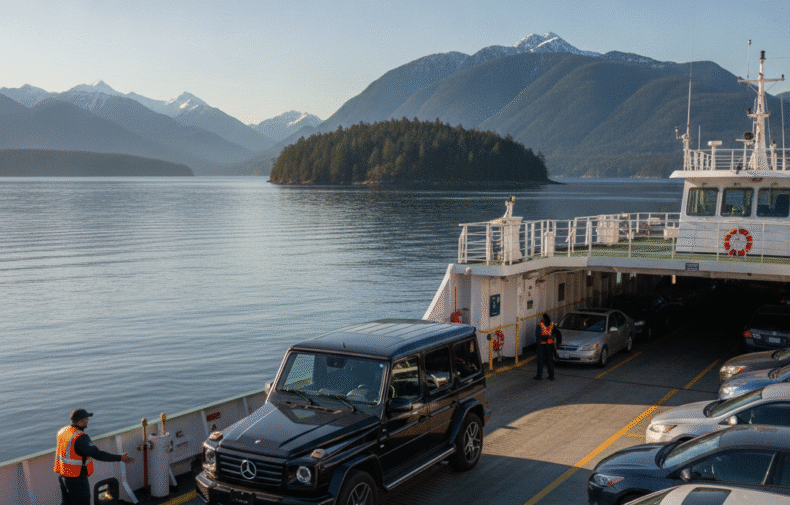
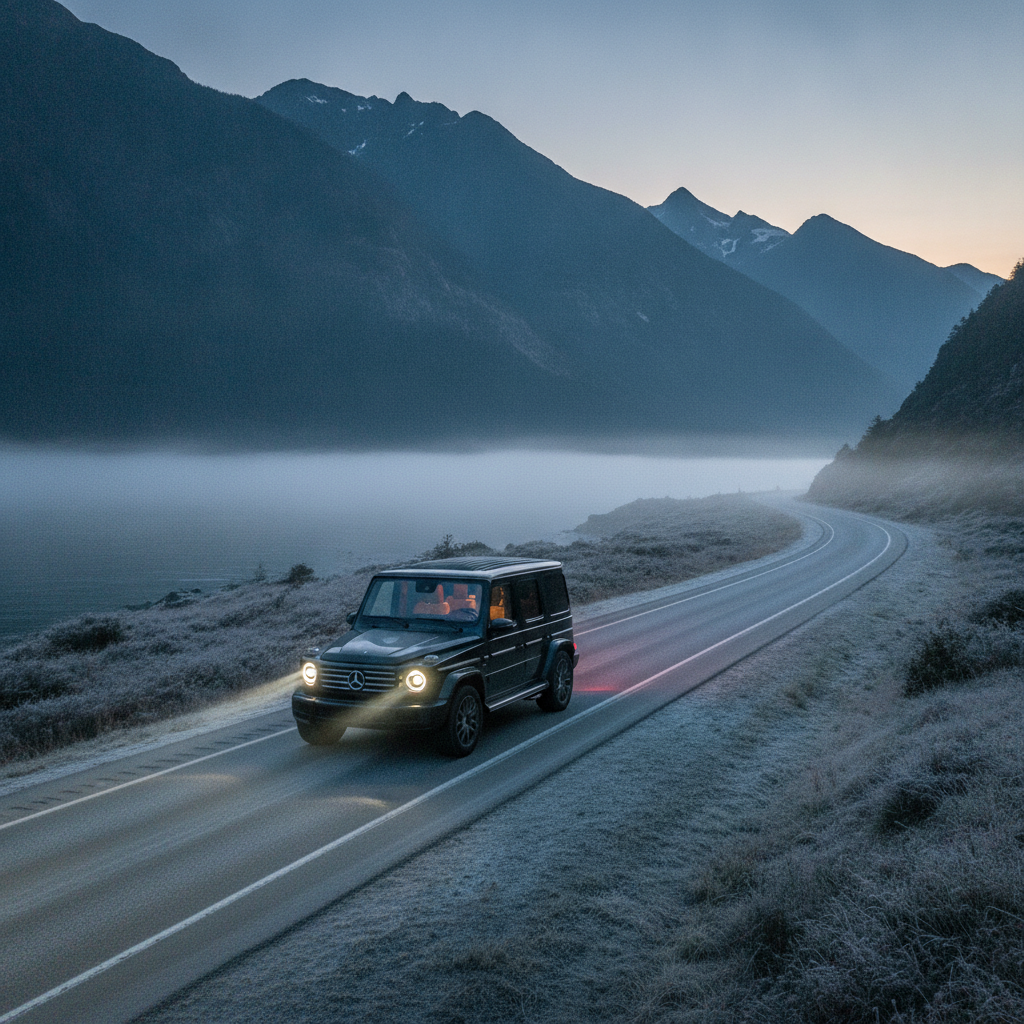
Somewhere in late October, the first real cold snap shows up in Metro Vancouver — morning mist on English Bay, overnight frosts in North Van, and car-rental threads filling up with the same question: do I need winter tires to drive to Whistler? The answers online are usually half-right, because BC's winter-tire law genuinely has two dates, and the Sea-to-Sky wears the shorter one:
- October 1 – March 31: winter tires (or chains) required on the Sea-to-Sky Highway — the route everyone in this city drives to Squamish and Whistler.
- October 1 – April 30: winter tires (or chains) required on most other designated BC routes — usually the higher-mountain roads that stay sketchy a month longer.
Know the difference and you'll never get turned around at a checkpoint. Forget it, and the fine is $121 (chain-rule violations run up to $598) — or worse, an RCMP turn-back at Horseshoe Bay with your Whistler weekend in the trunk. Here's the full picture, and how it works when you rent with us.
What counts as a legal winter tire in BC
Two tyre types qualify on designated routes (the sticker is on the sidewall):
| Sidewall symbol | Name | Notes for renters |
|---|---|---|
| M+S | Mud & Snow | The legal minimum on Sea-to-Sky from Oct 1. Fine for rain-cold days and light snow days. |
| 3PMSF (three-peaked mountain) | Alpine symbol | The better tire in real cold/snow — compounds stay softer and grip below 7°C. This is what serious mountain driving wants. |
One more technical note for inspections: the legal minimum tread depth for winter tires in BC is 3.5 mm. Rental fleets that rotate on schedule sit far above that line, but it's the right thing to glance at when the sticker is fresh in your memory — the inspection checklist includes a two-second look at the sidewalls and tread for exactly this reason.
How the season looks from the luxury side
Here's the practical posture as October arrives: responsible luxury fleets — including ours — mount winter-appropriate tires on their AWD vehicles for the designated season. It's still worth confirming on any quote you take, anywhere. What you do need to know as a renter:
- AWD isn't a tire substitute. All-wheel drive is about distributing traction you already have — winter tires are about the traction itself. On the Sea-to-Sky from October, the tires are the legal part; the AWD part is the comfort upgrade.
- Chains: for passenger vehicles, chains are the legal alternative in a pinch — but on a rental, mounting them is a roadside event you don't want at a dark hairpin. If the forecast goes full-snow, our advice is to move the trip, not to chain up.
- Plan the drive for cold truth, not snow: most Vancouver mountain-resort weekends never see snowfall on the pavement — but the temperature, the black ice at dawn past Horseshoe Bay, and the rain-heavy afternoons all change the drive. Warm up your braking distances; widen the gaps; let the SUV's clearance give you the view ahead.
The rental-season calendar
Map your dates to the rule:
- September trips: no winter-tire requirement yet — but the upper Sea-to-Sky gets frosty overnights by late month, and the drive up has real morning edges to it.
- October 1 onward: the legal season starts. Any Whistler plan should confirm the winter-rated situation on your specific rental — ours run season-appropriate tires during the designated months (verified at the documented walkaround); elsewhere, ask the counter pointedly and make sure the answer appears in your paperwork.
- November–February: full winter mode — book a vehicle with real mountain-going tires and leave extra margin on the clock; the drive stretches in genuine snow weather.
- March: still within the Sea-to-Sky season (ends Mar 31); spring evenings run cold at elevation.
- April — the Sea-to-Sky returns to plain tires from April 1, but most other designated routes still demand winter rubber through the end of the month. Intercity mountain trips (Okanagan passes, the higher Coquihalla corridors) stay under the April rule.
FAQ: winter tires on a luxury rental
When exactly do I need winter tires to drive to Whistler?
October 1 through March 31 on the Sea-to-Sky. (Most other BC designated routes run to April 30 — check your route if it isn't the Sea-to-Sky.)
What's the fine for non-compliant tires?
$121 for winter-tire violations on designated routes; chain violations can reach $598. Enforcement can also turn non-compliant vehicles away on the spot.
Are AWD vehicles exempt?
No. The rule is about tires, not drive layout — AWD on summer-rated tires still doesn't meet the requirement.
Do your rentals come winter-ready automatically?
Our premium AWD vehicles run season-appropriate tires during the designated months — confirm your route at booking and it's verified at the documented walkaround.
Can I rent chains instead?
Chains are a legal alternative for passenger vehicles, but on rentals we recommend against doing this on the fly for mountain trips — the better answer is a properly-tired vehicle and a schedule with margin.
Which car is best for the season's worst days?
The Mercedes G-Class — tall visibility, upright windows, clearance, and real mountain DNA; the deep-dive covers why the box wins this season.
Before the first frost, ask the tire question
October 1 turns the Sea-to-Sky into a tire-checked highway, and the good news is that renters who plan for the rule get a season of confident driving. Call Mogestic at (604) 841-0366 with your travel dates — we'll match the vehicle to the weather calendar, confirm the tire setup, and put the whole fee and hold picture in writing before you arrive. The rule ends March 31 on the Sea-to-Sky; the fun of a mountain-ready start begins the moment you pull out.
Related posts
 04Sep, 26
 BMW XM vs Porsche 911 in Vancouver: Which One Books Your Day (2026)
 04Sep, 26